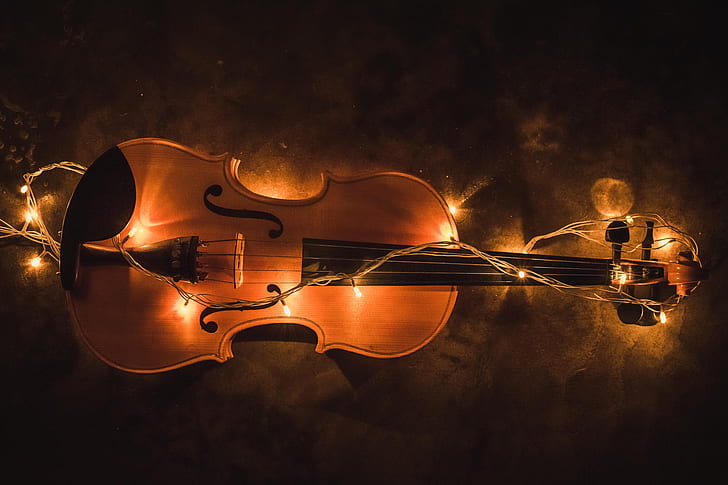
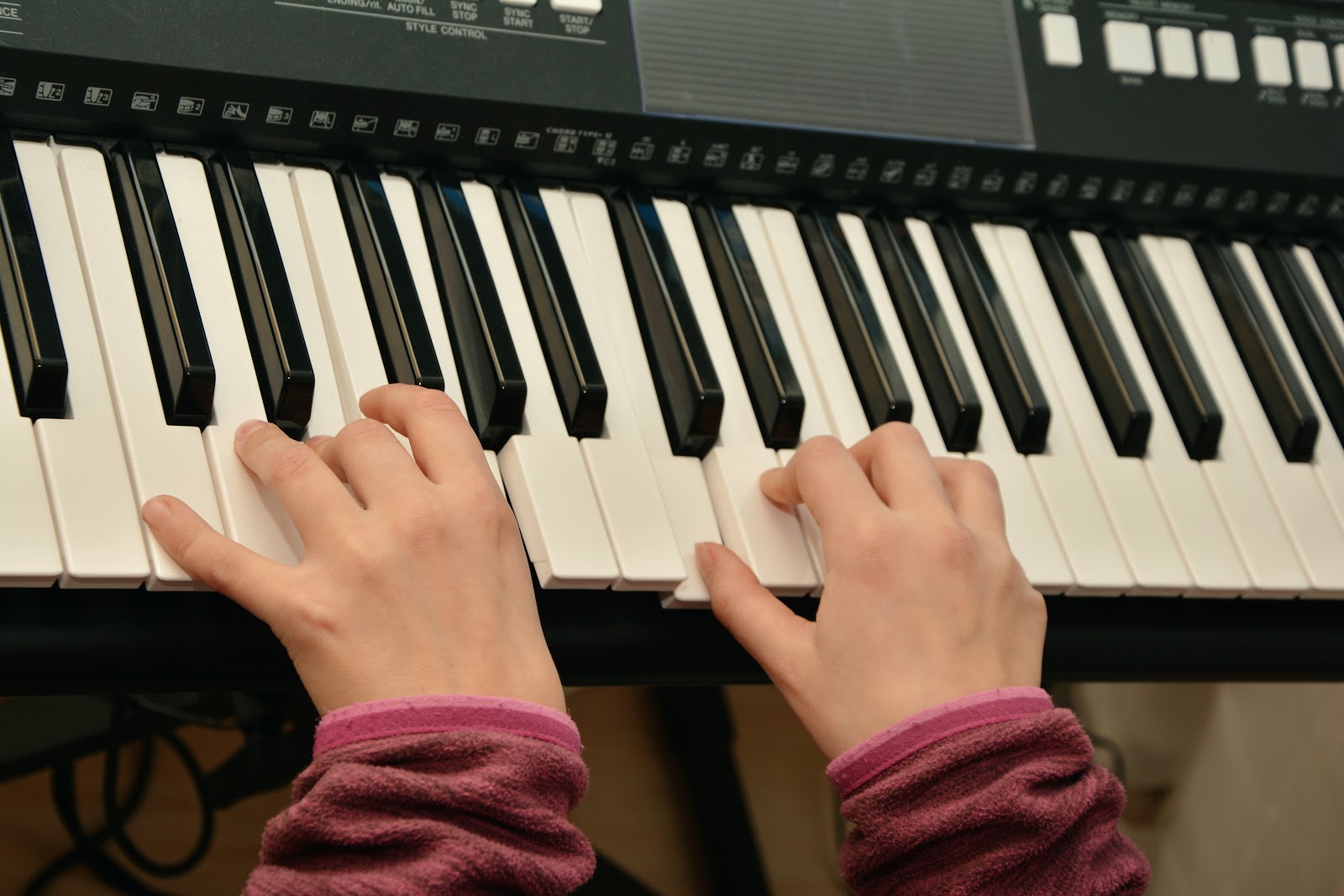
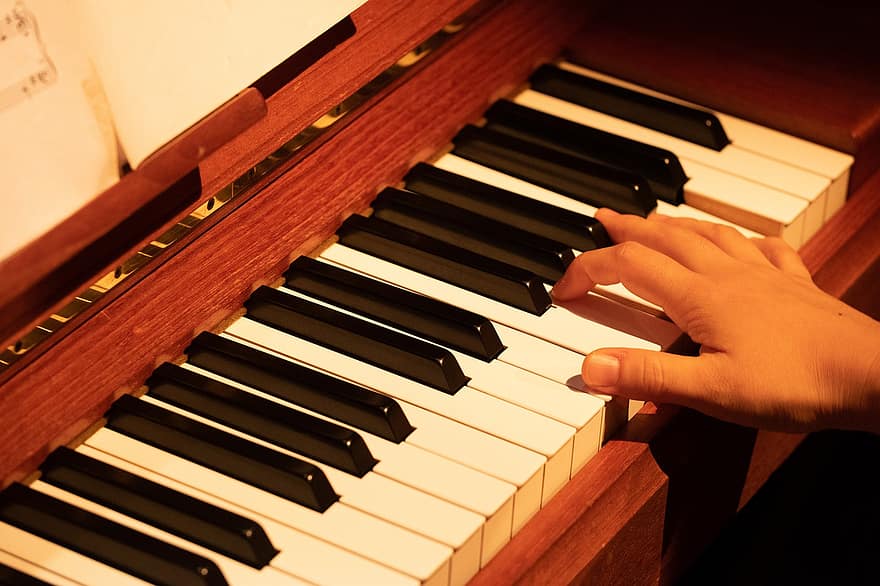
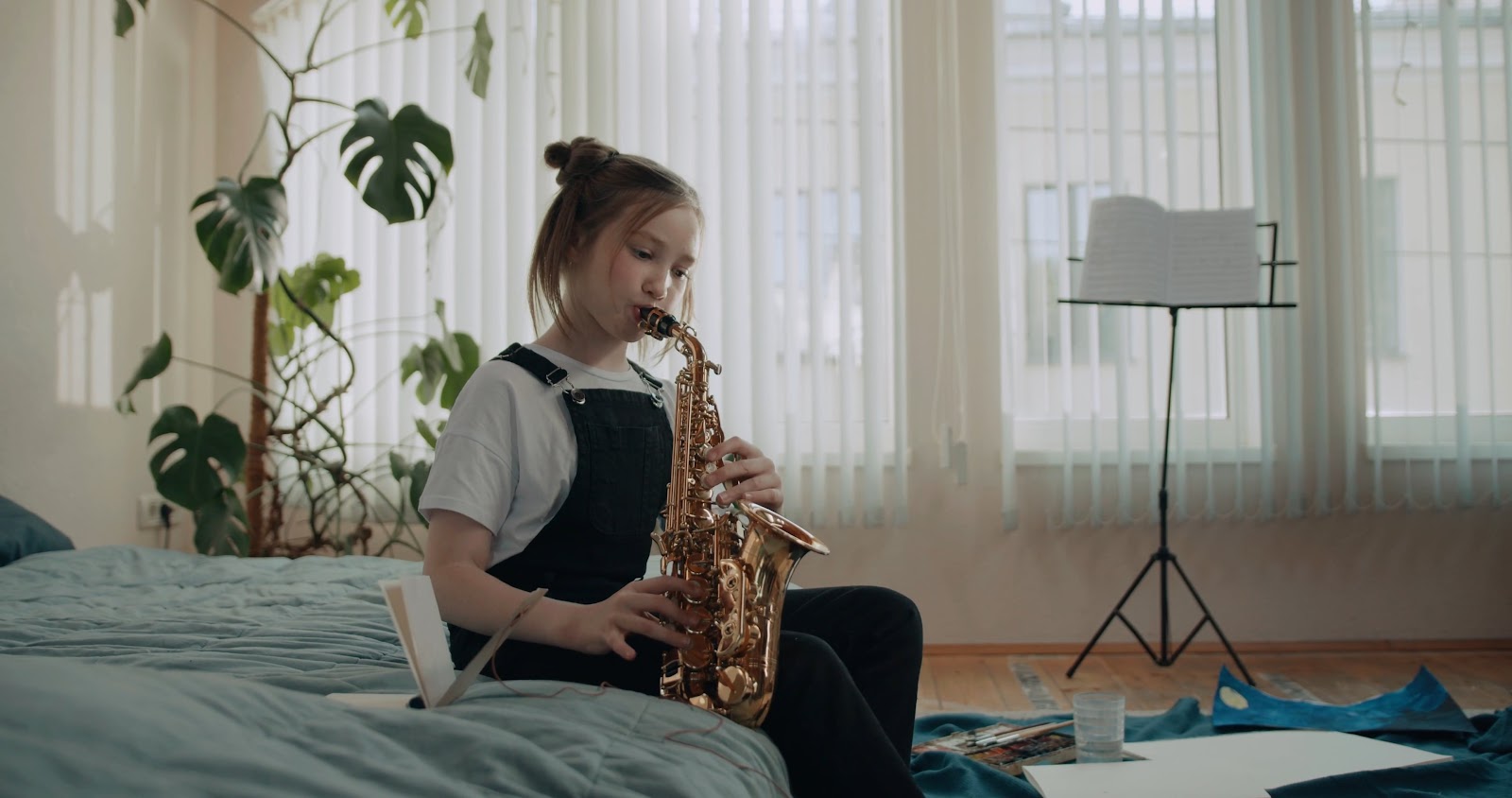
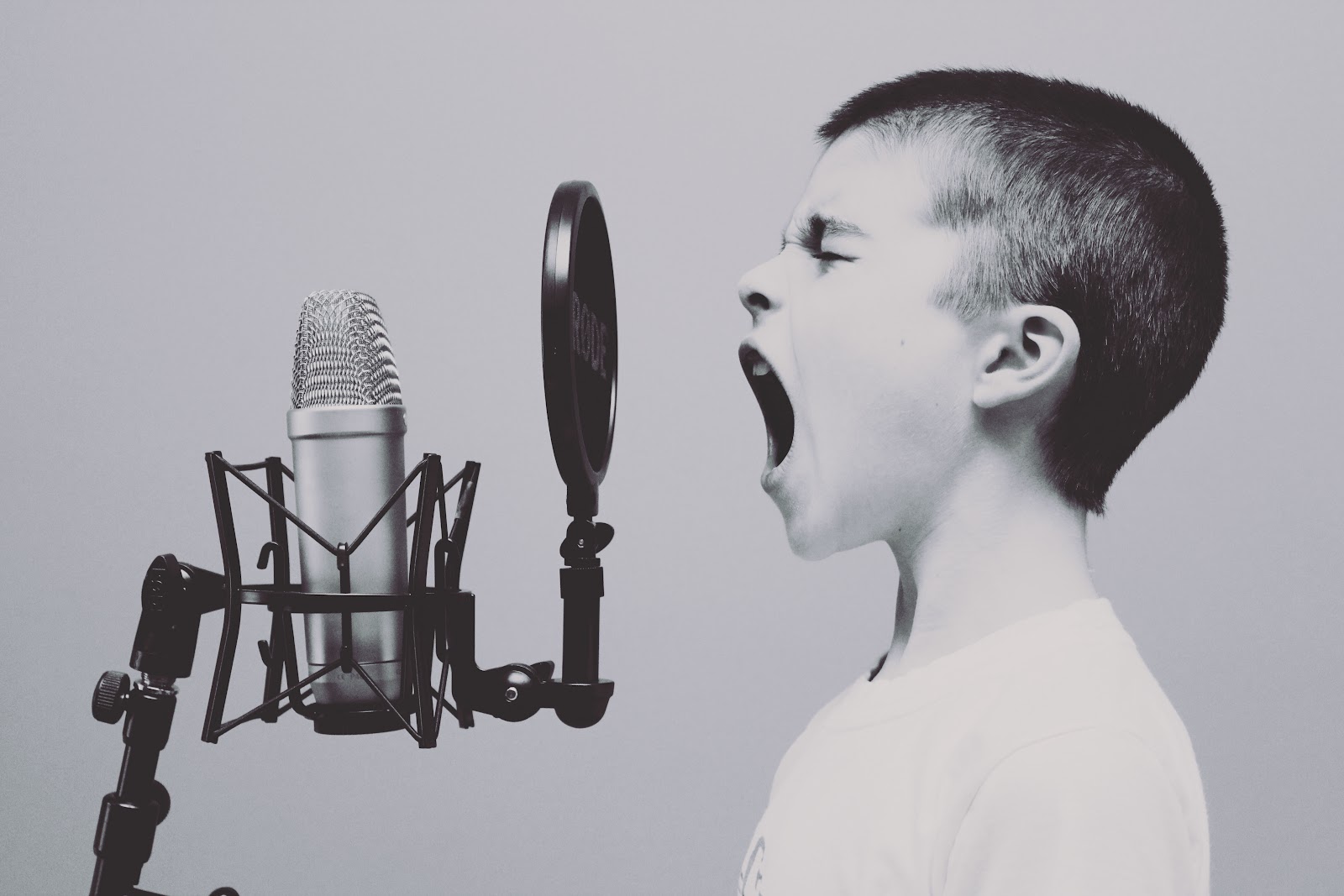
Music Lessons

What You Can Learn in Music Lessons: Are you someone who has always admired musicians and their ability to create beautiful melodies? Have you always wanted to learn to play a musical instrument or take your singing talent to the next level? If so, music lessons might be just what you need to unlock your musical potential.

In music lessons, you can learn a wide range of skills that will not only help you improve your musical abilities but also enhance your overall well-being. From learning the basics of music theory to developing techniques specific to your chosen instrument or vocal style, music lessons provide a structured and supportive environment for growth and improvement.

Whether you’re a beginner with no prior musical experience or an intermediate player looking to enhance your skills, music lessons can cater to your needs. With the guidance of experienced instructors, you’ll receive personalized attention and constructive feedback to help you progress at your own pace. So, if you’ve always had a passion for music, don’t let it go to waste. Take the leap, enroll in music lessons, and tap into your musical potential today.

Music Lesson near me
Image Source – canva.com

Music Lessons – Definition

According to Wikipedia, Music lessons are a type of formal instruction in playing a musical instrument or singing. Typically, a student taking music lessons meets a music teacher for one-to-one training sessions ranging from 30 minutes to one hour in length over a period of weeks or years.

Benefits of learning music

Playing a musical instrument or singing is not only a hobby but also a form of self-expression that can bring joy and fulfillment to your life. Learning music has numerous benefits that extend beyond the realm of entertainment. Check out some of the main advantages of learning music:

  • Development of discipline and perseverance. Regular practice and commitment are essential for progress, and these qualities can be applied to various aspects of life.
  • improve cognitive abilities, including memory, attention, and problem-solving skills.
  • Studies have shown that learning to play an instrument can enhance brain function and improve academic performance.
  • Music also has a therapeutic effect, reducing stress and promoting relaxation.
  • It can serve as a creative outlet and a means of emotional expression.

At Bowlake Select a Teacher and Start Learning Music Today

Different types of music lessons available

When it comes to music lessons, there is a wide variety of options to choose from. Whether you’re interested in classical piano, electric guitar, jazz saxophone, or singing, there is a teacher or school that specializes in your preferred genre or instrument. It’s important to consider your musical goals and preferences when selecting a music lesson.

Private lessons offer one-on-one instruction tailored to your specific needs and learning style. This personalized approach allows for individualized attention and feedback, ensuring that you make progress at your own pace. Group lessons, on the other hand, provide a collaborative and social environment where you can learn from and interact with other students who share similar interests.

Finding the right music teacher or school

Finding the right music teacher or school is crucial to your musical journey. A good teacher should not only have a solid understanding of music theory and technique but should also be able to inspire and motivate you. Look for someone who is passionate about teaching and has experience working with students at your level.

Word-of-mouth recommendations are often a reliable way to find a reputable music teacher or school. Ask friends, family, or fellow musicians for their suggestions. Online platforms and directories can also be helpful in finding qualified instructors in your area. Take the time to research and read reviews before making a decision.

At Bowlake Select a Teacher and Start Learning Music Today

What to expect in a music lesson

Music lessons typically follow a structured format that includes warm-up exercises, technique practice, repertoire study, and music theory instruction. The duration of a lesson can vary depending on your level and preferences, ranging from 30 minutes to an hour or more.

During a lesson, you can expect your teacher to provide guidance, demonstrate proper techniques, and offer constructive feedback. They will help you develop a solid foundation of skills and knowledge necessary for your musical growth. Be prepared to practice regularly outside of lessons to reinforce what you’ve learned.

Essential skills and techniques taught in music lessons
Music lesson near me
Image Source: Canva

Music lessons cover a wide range of skills and techniques depending on your chosen instrument or vocal style. For beginners, the focus may be on learning the basics of music theory, including reading sheet music, understanding rhythm, and identifying key signatures.

As you progress, you will delve into more advanced concepts such as chord progressions, scales, improvisation, and music composition. Technique development is also a crucial aspect of music lessons. You’ll learn proper hand positioning, breath control, vocal projection, or fingering techniques specific to your instrument.

How music lessons can enhance cognitive abilities

Learning music has been shown to have a positive impact on cognitive abilities. Playing an instrument involves using both hemispheres of the brain, enhancing coordination, memory, and concentration. Musicians have been found to have increased neural connectivity, which can lead to improved problem-solving skills and creativity.

Children who learn music from an early age tend to perform better academically, as music education stimulates areas of the brain associated with language and reasoning. For adults, learning music can help maintain cognitive function and prevent age-related decline. It’s never too late to start learning music and reaping the cognitive benefits it offers.

At Bowlake Select a Teacher and Start Learning Music Today

Music exams and certifications

Music exams and certifications provide a means of measuring your progress and achievement in music. Many music examination boards offer graded exams that assess technical skills, music theory knowledge, and performance abilities. These exams provide a structured framework for learning and can serve as a motivation to practice and improve.

Certifications such as the Associated Board of the Royal Schools of Music (ABRSM) or the Trinity College London exams are recognized worldwide and can enhance your credibility as a musician. They can also open doors to opportunities such as scholarships, music competitions, and college admissions.

Resources and tools for practicing and improving musical skills

focused on learning music
Image Source: Canva

Practicing regularly is key to improving your musical skills. Fortunately, there are numerous resources and tools available to support your practice and enhance your learning experience. Online platforms, such as music tutorials, sheet music databases, and interactive practice apps, provide a wealth of resources at your fingertips.

Metronomes and tuners are essential tools for maintaining rhythm and pitch accuracy. Recording devices allow you to listen back to your performances and identify areas for improvement. Additionally, joining musical communities, attending workshops, and participating in ensemble groups can provide valuable opportunities for growth and collaboration.

At Bowlake Select a Teacher and Start Learning

Conclusion: Embracing the journey of musical growth

Enrolling in music lessons is an investment in your personal and musical growth. Whether you’re a beginner or an experienced musician, there is always something new to learn and explore. Music lessons provide a structured and supportive environment where you can develop essential skills, enhance cognitive abilities, and experience the joy of creating music.

So, if you’ve always had a passion for music, don’t let it go to waste. Take the leap, enroll in music lessons, and tap into your musical potential today. Embrace the journey of musical growth and discover the transformative power of music in your life.

Music Lessons – Frequently Asked Questions

What is the basic to learn music?

Beginners should start by learning the major scales (scales in major keys) and the three minor scales (scales in minor keys). Different keys have different rules for what notes go into the scale and which notes are altered by sharps and flats.


How to do a music lesson?

Music Methods
  1. Listen and Discuss. Provide examples of different types of music for students to listen to. …
  2. Playing for Others. Invite students who play a musical instrument to play for their classmates. …
  3. Visualize the Music. If you teach young learners, try using musical flashcards.

What is the basic to learn music?

Beginners should start by learning the major scales (scales in major keys) and the three minor scales (scales in minor keys). Different keys have different rules for what notes go into the scale and which notes are altered by sharps and flats.
 

How do you start learning music for beginners?

At a glance…
  1. Read the whole score.
  2. Listen to the whole piece.
  3. Play through the entire piece slowly.
  4. Divide the piece.
  5. Use various techniques for different passages.
  6. Put the whole piece together.
  7. Rinse and repeat.
  8. Find an audience to perform.

What is a music teacher called?


Also Called. Music Instructor, Music Educator. Music educators teach students how to sing and play instruments, instruct them in fundamentals such as scales and chords, impart knowledge about music history and theory, and lead school bands, orchestras, choirs, and ensembles
 
Related Posts
 

Music Lessons: An Investment in Yourself that Pays Off for Life Read More »
music jobs

Are you one of those individuals whose heart beats in rhythm with the music? Music has an extraordinary power to transcend boundaries and connect with people on a deep emotional level. For many, it’s not just a form of entertainment but a way of life. If you find yourself humming tunes even during the busiest hours of the day or tapping your foot uncontrollably when a catchy song plays, you already possess the heart of a music enthusiast. To embark on a career in the music industry, one must embrace their artistic side fully. Whether you’re a singer, songwriter, composer, or instrumentalist, creativity will be the driving force behind your success in the realm of melodies.

If you are passionate about music and looking for rewarding opportunities in the industry? Read on in this blog post to discover how you can find good music jobs and embark on a fulfilling career in the world of melodies.

Exploring Your Options – Types of Good Music Jobs

Music Jobs
image source – canva.com
Canada has many music jobs, including music industry jobs, musician jobs, and music teacher jobs:
  • Music industry jobs: These include DJs, entertainers, event coordinators, audio engineers, ticketing interns, and marketing interns.
  • Musician jobs: These include entertainers, dancers, DJs, MCs, musicians, rappers, hosts, and techs.
  • Music teacher jobs: These include private music teachers who teach young children and adults.

Other music jobs in Canada include:

Some of the highest paying music industry jobs include:

 
music composers
image source – canva.com
  • Game audio designers
  • Music producers and directors
  • Agents and business managers
  • Music professors/teachers
  • Sound engineering technicians
  • Film and video editors and camera operators
  • Music directors and composers
  • Music Therapist 
  • Music Marketing Specialist 
  • Artist Manager

EXPLORE OUR MUSIC COACHING SERVICES AT BOWLAKE

    Essential Skills for Success in the Music Industry

    To thrive in the competitive music industry, certain skills are indispensable. Apart from musical talent, you’ll need to develop:

    1. Adaptability: The music industry is ever-evolving, and adaptability is crucial for staying relevant.
    2. Communication: Strong communication skills are essential for collaborating with fellow musicians and industry professionals.
    3. Marketing and Promotion: Knowing how to promote your work effectively is vital for gaining recognition.
    4. Business Acumen: Understanding the business side of music will help you make strategic decisions for your career.

     Music Jobs in Canada – Music Performer Careers

    music jobs
    image source – canva.com

    Becoming a Professional Musician

    Becoming a professional musician requires dedication, practice, and a dash of good luck. Whether you dream of being a solo artist or part of a band, here are some steps to guide you:

    1. Hone Your Skills: Take music lessons and practice diligently to refine your craft.
    2. Build Your Portfolio: Record your performances and create a professional portfolio to showcase your talent.
    3. Perform Live: Start by performing at local venues and events to gain exposure and experience.
    4. Network: Connect with other musicians, producers, and industry professionals to expand your contacts.

    Joining a Band or Orchestra

    music jobs
    image source – canva.com

    Being part of a band or orchestra can be a fulfilling way to express your musical prowess. Here’s how you can find opportunities:

    1. Auditions: Look out for auditions posted by local bands or orchestras.
    2. Online Platforms: Join websites dedicated to connecting musicians seeking bands and vice versa.
    3. Networking: Attend music events and connect with band members and organizers.

    EXPLORE OUR MUSIC COACHING SERVICES AT BOWLAKE

    Music Jobs in Canada – Behind-the-Scenes Roles 

    music jobs
    image source – canva.com

    Music Production Careers

    producers play a crucial role in shaping the final sound of a song or album. They are involved in various aspects, including:

    1. Recording: Overseeing the recording process in the studio.
    2. Arrangement: Assisting in arranging instruments and vocals for a harmonious composition.
    3. Editing: Fine-tuning the recorded tracks to achieve the desired sound.

    Sound Engineering: The Art of Audio

    Sound engineers are responsible for the technical aspects of music production, including:

    1. Mixing: Balancing individual tracks to create a cohesive sound.
    2. Mastering: Optimizing the audio for distribution and playback.
    3. Live Sound: Managing audio during live performances.

    EXPLORE OUR MUSIC COACHING SERVICES AT BOWLAKE

    Music Composition and Arrangement

    Composers are the creative minds behind original music pieces, while arrangers adapt existing pieces for different settings. Their roles involve:

    1. Inspiration: Drawing inspiration from various sources to create unique compositions.
    2. Melody and Harmony: Crafting melodies and harmonies that evoke emotions.
    3. Orchestration: Assigning instruments to play specific parts within a composition.

    At Bowlake Just Choose A Teacher and Start Learning

    Music Jobs in Canada – How to Start a Music Career in Canada?

    Here are some tips for starting a music career in Canada:

    • Develop your musical skills
      This usually requires training from a college or university, or private instruction. Professional musicians and singers often need a university degree in music.
    • Build your brand
      Create accounts on social media platforms like TikTok, Instagram, and Facebook. Post videos related to your music and what inspires you.
    • Research your competition
      Learn about other companies in the music industry to understand what’s already out there and what kind of competition you might face.
    • Promote your music
      Marketing your music is just as important as making it. You can keep pushing your songs to new audiences, even if it’s an older release.
    • Build your selling skills
      Build your charisma and learn how to easily describe your vision so that it inspires others.
    • etwork and collaborate
      Find a loyal manager and hire a publicist.
       

      Other steps you can take include:

      • Focus on your talent
      • Write music
      • Find a producer and release music
      • Build a portfolio and brand
      • Understand the business side
      • Stay resilient and adaptable
      The music industry is very competitive and one of the more difficult industries to break into. However, many performers have proved that with dedication, commitment, and hard work they can achieve their goals.
    •  

      Music Jobs in Canada – To Work As A Musician In Canada.

      These requirements are applicable to all Musicians and singers (NOC 51122).

      music jobs
      image source – canva.com

      Employment requirements

      This is what you typically need for the job.

      • Musical training from a university or college or through private instruction is usually required.
      • Members of orchestras and other professional classical musicians and singers usually require a university degree in music.
      • Musical talent and ability, as demonstrated during an audition, are important hiring criteria.
      • Membership in a guild or union related to the occupation or type of performance may be required.

      Source National Occupational Classification

      Professional certification and licensing

      You might need to get a certification from a regulatory authority before you start working. Find out if this occupation is regulated and contact the regulatory authority to learn about the certification process.

      At Bowlake Just Choose A Teacher and Start Learning

      Final Note

      Canada’s vibrant music scene offers a wealth of opportunities for passionate individuals, regardless of their specific musical background or aspirations. Whether you envision yourself rocking out on stage, composing captivating scores, or working behind the scenes to bring music to life, there’s a path waiting to be discovered. So, explore the diverse music jobs Canada offers, take the first step towards your dream career, and let your passion resonate with the world!

      Music Jobs in Canada – FAQs

      How do I become a singer in Canada?

      Singing lessons are offered by music conservatories, independent teachers and post-secondary school music departments. Courses in other areas of music, such as arranging, composing and music theory, are useful, too. It is not necessary to have a degree or diploma in music to become a singer.
       

      Is there a music industry in Canada?

      Regardless of the medium or the artist, music remains a big part of Canadian culture and the country boasts one of the largest music industries in the world
       

      How many years does it take to study music in Canada?

      Program details. The Bachelor of Music four-year program allows students to pursue a degree within the following concentrations: Performance, Composition, History, Education and General Music.
       

      Can you make a living as an artist in Canada?

      Canadian artists make a lot of money. The average Canadian artist makes $40,000 per year. In Canada, there are many jobs available for artists such as painting murals, creating paintings and sculptures, and selling original artwork. Artists must register their work and pay taxes.
       

      What is the music capital of Canada?

       
      Toronto is one of the greatest music cities in the world and yet it could be doing much more to maximize the economic benefits of the music cluster.
       

      How do I get into the music industry PR?

      Internships are the way to go when trying to break into the world of publicity, and many public-relations companies offer development programs for students and recent graduates. Aspiring publicists can also contact local unsigned bands and volunteer to write their media releases as a way of building a portfolio.
       
      Related Posts


    Music Jobs in Canada: Your Guide to a Fulfilling Career Read More »

    Learn Music for Free


    If you’ve ever dreamt of mastering a musical instrument or wanted to enhance your vocal talents bow lake music institute offers numerous opportunities to learn music for free. Whether you’re a beginner or an aspiring musician looking to refine your skills, this province has a vibrant music scene and a variety of resources to support your musical journey. In this article, we will explore the top places and methods where you can access music lessons without spending a dime.

    #1  Learn Music For Free – Community Music Schools

    Community music schools in Alberta are a fantastic resource for those looking to learn music for free. These schools are often supported by government funding and local sponsors, allowing them to offer high-quality music education at no cost. They cater to various age groups and skill levels, offering lessons in a wide range of instruments, music theory, and performance techniques.

    #2  Learn Music For Free – Public Libraries

    Public libraries across Alberta provide more than just books; they also offer free music-learning opportunities. Many libraries host workshops, music classes, and practice sessions for budding musicians. You can access instructional materials, sheet music, and even musical instruments for borrowing, enabling you to practice at home without any financial burden.

    #3 Learn Music For Free – Online Music Platforms

    online music platforms
    image source – canva.com

    In today’s digital age, learning music has never been easier, thanks to online platforms. Several websites and applications offer free music lessons and tutorials. These platforms cover a vast array of musical instruments, genres, and skill levels. From video tutorials to interactive lessons, you can find resources that cater to your specific interests and learning preferences.

    #4  Learn Music For Free –  Music Stores and Studios

    Some music stores and studios in Alberta organize periodic free workshops and events. These sessions are designed to introduce people to different instruments, musical styles, and music-related topics. It’s a great way to get a taste of what learning music entails and discover which instrument resonates with you the most.

    EXPLORE OUR MUSIC COACHING SERVICES AT BOWLAKE

    #5  University Events

    university events
    image source – canva.com

    If you live near a university or college, keep an eye on their event calendars. Educational institutions often host free music performances, masterclasses, and workshops conducted by talented students, professors, or guest musicians. Attending these events can expose you to diverse musical experiences and inspire you to pursue your own musical journey.

    #6 Online Tutorials and YouTube

    YouTube has become a treasure trove of free educational content, including music lessons. Many skilled musicians and music teachers upload video tutorials, providing valuable insights and tips for learners of all levels. You can follow their step-by-step instructions, learn at your own pace, and even interact with them through comments or social media.

    #7 Music Associations and Clubs

    Various music associations and clubs exist in Alberta, fostering a supportive musical community. These organizations often arrange free workshops, jam sessions, and networking events where you can meet like-minded individuals and share your passion for music. Being part of such a community can significantly enhance your learning experience.

    #8 Government Initiatives

    The government of Alberta recognizes the importance of music education and supports various initiatives to make music learning accessible to all. These initiatives may include music grants, scholarships, and community programs that encourage individuals to explore their musical talents without financial constraints.

    #9 Music Festivals and Events

    Alberta hosts several music festivals and events throughout the year. While some are ticketed, many offer free entry to certain workshops and performances. Attending these events can expose you to diverse musical genres and inspire you to pursue music learning in your preferred style.

    #10 Social Media Music Communities

    Platforms like Facebook groups and Reddit have vibrant music communities where members willingly share their knowledge and experiences. You can find dedicated groups for specific instruments or music genres where you can seek advice, share your progress, and collaborate with others.

    Embark on Your Musical Voyage with Us at Bowlake Music

    Learn Music For Free App

    learn music for free
    image source – canva.com

    Here are some apps for learning music:

    • Learn Music for free
      Yousician
      A good place for beginners to start, this app covers many aspects of music, including piano, guitar, ukulele, bass, and singing. It can also work as a digital music teacher.
    • learn music for free
      Justin Guitar Beginner Lessons
      This app offers an interactive step-by-step course that teaches chords, strumming, and more. It also includes instructional videos and a karaoke style.
    • Learn music for free
      Music Tutor
      This free app is good for working on quick note recognition with younger music students. Students have 60 seconds to get as many note names correct as they can.
    • learn music for free
      Simply Piano
      This app teaches you how to play piano by using the microphone on your smartphone or iPad. It has personalized drills and tracks your progress.
    • learn music for free
      Complete Ear Trainer
      This app is considered one of the best free ear training apps for musicians. Students can use it to learn how to read, write, recognize, and tap rhythms.
    • learn music for free
      Flowkey
      This app is free to download and use, and includes several songs in the free version. It has a large selection of songs to choose from, and a quicker and structured learning pace than Simply Piano.
    • learn music for free
      Learn Music Theory With Sonid
      This app focuses on the melody and harmony aspects of music theory. The free version covers basic note identification, sharps and flats, and some intervals.
       

    Learn Music For Free In Canada Alberta For Adults

    Adults Playing guitar
    image source – canva.com

    Are you an adult in Alberta, Canada, eager to learn music? Good news! There’s a welcoming community just for you. The Adults Learning Music Support Group offers a warm embrace to adults who are either already studying music with a teacher or thinking seriously about it.

    In this supportive atmosphere, you can explore your musical passions and enhance your skills at your own pace. Whether you’re into piano, guitar, violin, or any other instrument, there’s a place for you here.

    Can I learn music at 50?

    It is often believed that older adults cannot learn new things, but seniors do have the ability and patience required to master any new skill.  Moreover, if you’re a senior looking to pick up a new hobby, you’ll be thrilled to know these ten musical instruments that are senior-friendly and easy to learn.
     

    10 Musical Instruments That Are Senior-Friendly

    Ukulele, Piano or Keyboard, Guitar (Acoustic or Electric), Violin or Viola, Harmonica, Hand Percussion (such as Bongos or Djembe), Flute or Recorder, Mandolin, Singing or Voice, and Digital Music Production (using software like GarageBand or Ableton Live).

    Bowlake Music Institute Complementary 3o-minute Free Trial Class

    Although abundant free resources exist, Bowlake Music distinguishes itself with premium paid training options complemented by a 30-minute free trial class. With personalized coaching and a tailored curriculum, our paid programs provide comprehensive guidance and support. Join us to unlock your full potential in music. Embark on Your Musical Voyage with Us at Bowlake Music

    Conclusion

    Learning music for free in Alberta, Canada, is a rewarding experience with a plethora of options available. Whether you choose community music schools, online platforms, public libraries, or music associations, remember that dedication and practice are the keys to mastering any musical instrument or skill. Embrace the vast musical landscape of Alberta and start your musical journey today.


    Learn Music For Free – FAQs

    1. Is learning music for free as effective as paid lessons?

      While paid music lessons may offer more personalized attention, free resources can be highly effective if you have the discipline and dedication to practice regularly. Many successful musicians started with free or self-taught methods.
    2. What instruments can I learn for free in Alberta?

      Alberta’s free music-learning opportunities cover a wide range of instruments, including guitar, piano, violin, drums, flute, and more.
    3. Do I need any prior musical knowledge to begin learning for free?

      No, many free resources cater to beginners and assume no prior musical knowledge.
    4. Are there age restrictions for accessing free music lessons?

      No, people of all ages can benefit from free music lessons in Alberta.
    5. Can I switch instruments during my learning process?

      Absolutely! Exploring multiple instruments can broaden your musical understanding and help you discover your true passion.

      6. What is the first free music app? Napster

      Napster was founded by Shawn Fanning and Sean Parker. Initially, Napster was envisioned by Fanning as an independent peer-to-peer file sharing service. The service operated between June 1999 and July 2001. Its technology enabled people to easily share their MP3 files with other participants.

      7.How can I learn music by myself?

      8 Useful Tips to Learn Music at Home

      1. Start with Music Theory Basics. …

      2. Conduct Thorough Online Research. …

      3. Choose Your Type of Music. …

      4. Pick Up A Music Instrument. …

      5. Select Beginner Music Pieces. …

      6. Practice Regularly. …

      7. Score Your Performance. …

      8. Set Realistic Goals.

      9.What is the app that helps you learn how do you read music?

      Notes teacher helps you learn to read music or to improve your sheet music reading. The “Learn” mode is composed of 32 lessons which will teach you to read music notes step-by-step. You will start with two notes. As you progress, each exercise will give you a few more notes


    Related Posts

    Musical Mastery at Bowlake Institute: Your Journey Begins Here

    Discover The Ideal Age To Learn Piano and Musical Instruments

    Musical Rhythm: Mastering the Art of Fluent Music at Bowlake


    Learn Music for Free in Canada Alberta Read More »

    why is music important in early childhood education
    Music isn’t just about catchy tunes and singalongs (although those are fun too!). Why is music education important in early childhood education? Because research shows it offers a treasure trove of benefits that set young learners up for success! From academic achievement to social skills and emotional well-being, here are 30 compelling reasons why music education should be an essential part of your child’s early learning journey:

    Why is music education important in early childhood education?  –  Brainpower Boost

    1. Smarter Than the Average Bear: Because studies link it to improved performance in math and science! Music seems to give young minds a cognitive workout, sharpening memory, focus, and thinking skills.
    2. Creativity Connects: Why is music education important in early childhood education? It encourages children to think outside the box and express themselves creatively. Imagine little Mozarts composing their own masterpieces!
    3. Motor Marvels: Playing an instrument isn’t just about making beautiful sounds. It improves dexterity, coordination, and fine motor skills, which are crucial for everything from writing to tying shoelaces.

    Social Skills Symphony

    why is music important in early childhood education
    image source – canva.com
    1. Teamwork Makes the Dream Work: Participating in music lessons or ensembles teaches children valuable social skills like cooperation, leadership, and communication. Why is music education important in early childhood education? It allows them to learn to listen to each other, work together towards a common goal, and celebrate each other’s successes.
    2. Self-Esteem Superstar: Mastering a musical skill gives children a sense of accomplishment and boosts their self-worth. Why is music education important in early childhood education? It helps them learn to take pride in their efforts and celebrate their unique talents.

    Building Strong Minds and Hearts

    1. Perseverance Pays Off: Learning an instrument takes practice and dedication. Why is music education important in early childhood education? It teaches children the importance of perseverance and discipline, qualities that will benefit them in all aspects of life.
    2. Sharpened Listening Skills: Music instruction hones children’s listening skills. They learn to focus on specific sounds, pay attention to details, and actively listen to their peers and instructors. Why is music education important in early childhood education? It strengthens a crucial skill for effective communication.
    3. Language Learners Rejoice! Did you know music education can improve language proficiency? It can enhance reading, writing, and even pronunciation skills – a bonus for young minds soaking up language like a sponge.

    Beyond the Notes

    why is music important in early childhood education
    image source – canva.com
    1. Chill Out Zone: Feeling stressed? Studies show that listening to music can be a powerful relaxation technique, helping children reduce tension and unwind after a busy day. Why is music education important in early childhood education? It can be a valuable tool for managing stress.
    2. Memory Maestro: Learning and memorizing music strengthens children’s memory and recall skills. Imagine remembering all those multiplication tables by singing them to a catchy tune! Why is music education important in early childhood education? It provides a fun and engaging way to boost memory.
    3. Seeing is Believing: Music education can enhance spatial intelligence, helping children understand visual representations and their relationship to sound. Why is music education important in early childhood education? It fosters a deeper understanding of the world around them.

    Confidence Creators

    1. Academic All-Stars: Students who participate in music lessons often exhibit increased confidence in their overall academic abilities. Why is music education important in early childhood education? It fosters a “can-do” attitude that spills over into other subjects.
    2. Feeling the Feels: Music is a universal language of emotions. Music education helps children develop emotional intelligence by teaching them to express and understand their feelings in a healthy way. Why is music education important in early childhood education? It equips them with important emotional regulation tools.

    Community and Culture

    1. Belonging Through Music: Participating in music lessons or ensembles fosters a sense of community and belonging. Children learn to collaborate with others who share their passion for music, creating lasting friendships. Why is music education important in early childhood education? It allows them to build strong social connections.
    2. World Music, World Understanding: Exploring music from different cultures broadens children’s horizons and fosters cultural awareness and appreciation. Imagine learning about different traditions while rocking out to a new musical style! Why is music education important in early childhood education? It cultivates a more open-minded and respectful worldview.

    Developing a Well-Rounded Child

    1. Rhythm Rockets: Why is music education important in early childhood education? It helps children develop a strong sense of rhythm, improving their timing and ability to keep a beat. This skill benefits activities like dancing, sports, and even public speaking.

    2. Thinking Outside the Box: Music education doesn’t just benefit musical pursuits. It fosters creativity in all areas of a child’s life, encouraging them to think outside the box and solve problems in unique ways. Why is music education important in early childhood education? It equips them with valuable problem-solving skills.

    Sharpening Skills for Life

    why is music important in early childhood education
    image source- canva.com
    1. Critical Thinkers in the Making: Studying music involves critical thinking skills like analysis and problem-solving. Children learn to listen, identify patterns, and make adjustments as they go – all valuable skills for life. Why is music education important in early childhood education? It lays the foundation for critical thinking and analytical abilities.

    2. Active Listening Advantage: Performing music with others requires attentiveness to cues and the ability to react quickly. This translates to improved listening skills in all areas of life. Why is music education important in early childhood education? It fosters strong active listening skills, crucial for effective communication.

    Conquering Challenges

    1. Stage Fright Slayer: Playing music in front of others can be nerve-wracking, but music education helps children build performance confidence and overcome stage fright. They learn to embrace challenges and express themselves with self-assurance. Why is music education important in early childhood education? It equips them with the confidence to face challenges in all aspects of life.

    Building Lifelong Skills

    1. Patience Pays Off (Again!): Learning to play an instrument takes time and effort, teaching children valuable patience. They learn that with dedication and practice, they can achieve their goals. Why is music education important in early childhood education? It instills the importance of perseverance, a valuable life skill.

    2. Culturally Competent Champions: Exposure to music from diverse cultures fosters cultural competency and understanding. Children learn to appreciate different traditions and perspectives. Why is music education important in early childhood education? It cultivates a more inclusive and respectful worldview.

    Memory and More

    1. Memory Magic: Learning music strengthens memory retention. Melodies and rhythms can act as memory cues, helping children remember information for longer periods. Why is music education important in early childhood education? It provides engaging tools to enhance memory and learning.

    Express Yourself

    why is music important in early childhood education
    image source – canva.com
    1. Finding Their Voice: Performing music provides a platform for children to express themselves creatively and develop their own unique voice. It can be a powerful tool for self-discovery and emotional release. Why is music education important in early childhood education? It empowers them to express themselves authentically.

    Communication Cornerstone

    1. Communication Champions: Music education can enhance communication skills, encompassing listening, speaking, and expressing feelings effectively. Through music, children learn to collaborate and share their ideas clearly. Why is music education important in early childhood education? It lays the foundation for effective communication throughout life.

    Developing Dexterity

    1. Motor Marvels : Playing an instrument enhances motor skills and hand-eye coordination. The delicate movements involved in playing foster dexterity, which benefits activities like writing and drawing. Why is music education important in early childhood education? It contributes to the development of fine motor skills crucial for various tasks.

    Sharpening Focus

    1. Concentration Champions: Learning to play an instrument demands focus and concentration. Music education helps children develop these skills, enabling them to stay focused in other areas of their life, from schoolwork to hobbies. Why is music education important in early childhood education? It fosters strong concentration skills, essential for learning and success.

    Problem-Solving Powerhouse

    1. Problem-Solving Detectives: Music education encourages improvisation and adaptation, fostering problem-solving abilities. Children learn to think creatively and find solutions on the fly, a valuable skill in any situation. Why is music education important in early childhood education? It equips them with the critical skills to adapt and solve problems.

    A Lifelong Gift

    1. A Gift that Keeps on Giving: Learning music is a skill that provides lifelong enjoyment and satisfaction. Children who learn music early are more likely to continue playing throughout their lives, enriching their well-being for years to come. Why is music education important in early childhood education? It offers a gift that keeps on giving, enriching their lives with music and joy.   

    The Joy of Music

    The Joy of Music
    image source – canva.com

    30. The Joy of Music: Music is a source of joy, creativity, and emotional expression. Why is music education important in early childhood education? Because it allows children to experience the wonder of music firsthand, fostering a lifelong appreciation for this beautiful art form. Music education gives them the tools to create, perform, and connect with music on a deeper level, enriching their lives and sparking a passion that can last a lifetime.

    Here are four reasons teachers use music in the early childhood environment:

    • Involves listening and responding

      Music can invite children to listen and respond.
    • Engages the brain

      Music can stimulate neural pathways in the brain, exercise the brain, and help develop memory.
    • Improves concentration

      Learning music can help kids focus and improve their concentration skills, so they can complete tasks more efficiently and decrease their impulsive behaviors.
    • Enhances retention

      Learning music requires improved retention ability. While learning music, students must read the music notes by sight, play the same on their instruments, and memorize the lyrics. 
       

    Why Parents Should Enroll Their Children In Bowlake Music Institute

    Bowlake Music

    Now that you have seen the many reasons why music is important in early childhood education, the next move to make is to enroll your children in any great music school. Enumerated below is the benefits in enrolling your children in Bowlake Music Institute:

    • Proven & Trusted Instructors: Bowlake Music provides detailed information about their instructors’ backgrounds and specializations. This allows parents to choose a teacher who best suits their child’s learning style and musical interests. At Bowlake Music Just Select A Teacher And Start Learning

    • Expert Instructors: Bowlake Music boasts a team of seasoned instructors with detailed profiles showcasing their backgrounds and areas of specialization in various instruments, including drums, guitar, violin, piano, and all major instruments. This allows parents to find the perfect teacher who aligns with their child’s musical aspirations.
    • Affordable Options: Both private and group classes are offered at reasonable prices, with various packages and discounts available. This ensures there’s a payment option that fits each family’s budget and schedule. You can start with a 30 minutes free class!!!
    • Supportive Environment: The teachers at Bowlake Music prioritize creating a friendly and encouraging atmosphere where children feel comfortable and confident learning music. EXPLORE OUR MUSIC COACHING SERVICES!

    • Varied Lesson Formats: From basic lessons to advanced classes and genre-specific instruction, Bowlake Music offers a variety of formats to cater to each student’s unique goals and interests, keeping them motivated throughout their musical journey. 

    Final Notes

    Children’s cognitive, social, emotional, and physical development are all enhanced by learning music. Learning music can enhance one’s academic achievement as well as memory, creativity, and problem-solving abilities. Also, it can foster self-expression, cooperation, and confidence. A sense of accomplishment and joy can also be gained from singing or learning an instrument. There is never a bad time to begin learning music, and the advantages can last a lifetime.

    Why Is Music Important in Early Childhood Education?- FAQs

    When should kids begin learning music?

    There is no set age at which one should begin learning music, but exposure to music and musical activities can benefit kids as young as 2 or 3 years old.

    Does musical skill have to be there for kids to gain from music education?

    To benefit from music education, kids do not need to have inherent talent. Through practice and commitment, everyone can learn new things and advance their abilities.

    Does music education need that kids learn to play an instrument to be effective?

    No, singing and other forms of music-making can be just as beneficial as learning an instrument.

    Can music education help children with particular needs or learning disabilities?

    Music instruction can help youngsters with specific needs or learning impairments. It can enhance social interaction, motor abilities, and language development.

    Does a child’s exposure to music only help them academically?

    No, music education promotes emotional, social, and physical growth in addition to intellectual success.

    How can parents help their kids learn music?

    By creating chances for musical activities at home, encouraging practice and commitment, and attending their child’s performances and recitals, parents may assist their child’s music education.

    Related Posts

    Learning Music in Canada: A Guide for Aspiring Musicians

    Melodic Structure 101: Beginner’s Guide to Understanding Melody

    Why Learn Music Theory in Canada?

    Why Is Music Important in Early Childhood Education? (30 Reasons) Read More »

    A descriptive flyer bearing the the title of the post: "What Musical Instrument Is Best For A Young Child To Learn?"

    Photo by Bow lake Music

    In our recent post on the benefits of music for a child’s development, we discussed how research from multiple studies showed that young children who had access to musical instrument instruction performed better on math tests and scored higher on the SAT than those who did not. This is demonstrated by the fact that learning a musical instrument stimulates a mental route for logic.

    You can cut down on the time you would otherwise spend debating which musical instrument would be ideal for your young child to learn. We will start by defining musical instruments before talking about some of the greatest instruments for your young child to be familiar with right away. To assist you in making a decision that fits within your budget, we will go over some of the basic characteristics of these instruments and provide some Amazon pricing.

    Table of Content

    Table of Content

    What Are Musical Instruments?

    Types Of Musical Instruments

    Percussion Instruments

    Wind Instruments

    String Instruments

    Electronic Instruments

    What Musical Instrument Is Best For A Young Child To Learn?

    1. Ukulele

    2. Guitar

    3. Drums

    4. Piano

    5. Violin

    6. Saxophone

    7. Xylophone

    Conclusion

    Frequently Asked Questions (FAQs)

    Are Drums A Good Instrument For Young Children?

    What Is The Best Age To Start Learning A Musical Instrument?

    What Are The Best Musical Instruments For Young Children To Learn In 2023?

    Can I Enroll For Virtual Music Lessons At Bow Lake Music?

    Ready to find out more? Let’s get to it!

    Photo by Flickr

    What Are Musical Instruments?

    Simply put, musical instruments are objects made with the intention of producing sound. In the beginning, ancient men produced songs with their bodies — clapping, making noises, and stamping their feet — but as time went by, they turned to the use of simple instruments like horns, sticks, and drums made of animal hide. 

    Over time, countless devices, methods, and musical instruments were developed to produce more sonorous sounds. Even today, there are individuals who have committed their lives to use these instruments as a source of income; these people are known as instrumentalists. 

    Music is a language of the heart, and musical instruments are the means by which this language is expressed.

    Showcases wide varieties of instrument including: drums, horns, trumpet, etc

    Photo by Publicdomainvectors.org

    Moreso, there are four fundamental categories of musical instruments based on the ways in which these instruments produce sound. We will now briefly go through each of these types.

    Types Of Musical Instruments

    You need to become familiar with all of the different kinds of musical instruments if you’re interested in learning them. Exploring various musical instruments is thrilling even if you have no interest in playing any of them. This area of our blog will assist you in making a decision regarding the level of musical education you want for your child.

    Percussion Instruments

    These are musical instruments that make sound through percussion, i.e., by being struck by hands, other instruments, or a beater. They can also be classified as pitched or unpitched percussion instruments. 

    Pitched percussion instruments produce notes with a definite or identifiable pitch. Examples are Xylophones, Vibraphones, Marimba, etc. However, unpitched percussion instruments are those percussion instruments that produce notes with indefinite pitch. Examples are Cymbals, Gong, Tambourine, etc

    A picture of a Xylophone

    Photo by Pikist

    Wind Instruments

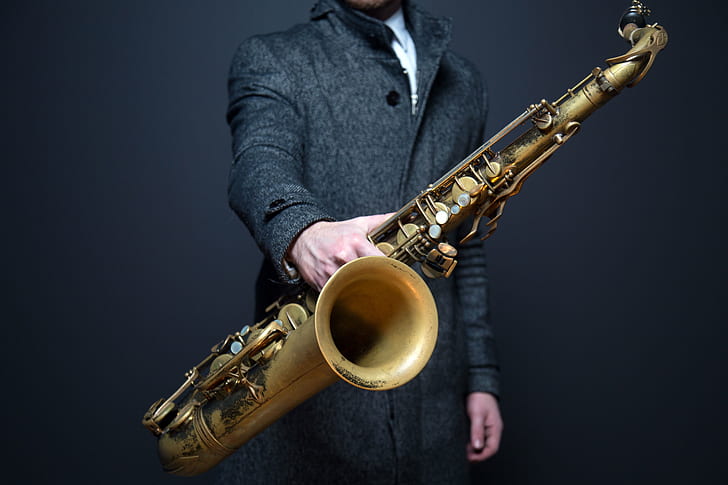
    These are musical instruments that use air as a medium to create sounds of various pitches and operate on the wave theory. The saxophone, bagpipes, and flute are a few examples.

    A man holding a Saxophone

    Photo by Pickpik

    String Instruments

    These are musical instruments that use the vibration of many strings to make a sound. When their strings are pulled, they make noise. The length of the air column inside the instrument and the thickness of the string both affect the pitch and volume of the sound they generate. These instruments include several well-known ones such as the violin, guitar, and harp.

     A Violin

    Photo by Pickpik

    Electronic Instruments

    When it comes to usability and simplicity of learning, electronic instruments top the list. Electronic instruments, in contrast to other conventional instruments, require little input from the musician. Modern technology is applied in these instruments, which operate according to the principles of electronics.

    For instance, compare the usability and ease of learning a talking drum — a percussion instrument— and a keyboard — an electronic instrument— The Keyboard is a lot easier and faster to learn as the sound production is enhanced and assisted by technology. Unlike the talking drum where much effort is required to produce just a simple sound. Some examples of electronic instruments are keyboards, octopods, synthesizers, etc.

    The free high-resolution photo of music, keyboard, technology, finger, instrument, piano, musical instrument, hands, sound, keyboard instrument, play piano, piano keyboard, piano keys, string instrument, digital piano, electronic device, musical keyboard, electronic instrument, electric piano, electronic keyboard, player piano, e piano, nord electro

, taken with an NIKON D5200 03/20 2017 The picture taken with 58.0mm, f/9.0s, 10/2000s, ISO 100

    Photo by Pxhere

    In addition, we share our opinions on a few musical instruments your child should learn based on our expertise as a music training school. In our last post, we said that young children who had the opportunity to study a musical instrument performed better on math exams and scored higher on the SAT than those who had not. So why not sign up your kid for one of the listed musical instrument lessons at our business,  Bow lake Music?

    What Musical Instrument Is Best For A Young Child To Learn?

    1. Ukulele
    Uniquely ukulele: Airman plays from the heart

    Photo by the US Air Force

    The Ukulele, commonly referred to as the “Uke,” is a type of musical instrument in the string family that makes sound by the vibration of its strings and the size of its internal air column. The Ukulele is at the top of our ranking because of its distinctive qualities; unlike the guitar, it has four nylon strings that won’t hurt your child’s finger. They are also appropriate for your toddlers.  In our school, Bow lake Music, the Ukulele comes second on our list of most registered musical instrument training lessons because it is extremely easy to learn.

    The Ukulele is a portable, easy-to-use musical instrument that promotes your kids’ development of strong auditory and creative talents. The Ukulele, which is compared to a miniature guitar, can teach your child the fundamental musical notes and rhythms while also fostering their appreciation of music. As it just costs $12 on Amazon, this instrument is easily accessible and affordable. For your kids, this can be a terrific musical introduction.

    1. Guitar
    My musical Armory.

rear:

JHS Vintage® AMG1 Acoustic Resonator Guitar
Yamaha C-40 Classical Guitar
Appalachian dulcimer
Squier Stratocaster ?
Fylde Guitar ?
front:

M-Audio Oxygen 8 25-Key USB MIDI Keyboard Controller
Hondo Mandolin

    Photo by Wikimedia

    The Guitar is next on our list. In comparison to the ukulele, a regular guitar has six (6) strings and offers a wider range of notes and tones. Any kid can learn the fundamentals of music on the guitar, just like they can on the ukulele.

    The guitar can also improve manual dexterity, which is the ability to control regulated movements with hand-eye coordination under specific conditions. As your child develops, this skill will be useful in a variety of situations, including writing, grabbing, and organizing puzzles and other items. Cheap guitars are also available on Amazon for as little as $26.

    1. Drums

    You can also buy your youngster a set of drums as musical instruments. The noise made by drums, however, worries the majority of parents. Obtaining substitute instruments in place of drums is frequently a source of concern. Parents can choose the electric equivalent, which makes a quieter sound, rather than the traditional set of drums, which is noisier. Your budget for this instrument should be between $50 and $150.

    1. Piano
    Simple image of a Piano

    Photo by Pikist

    Our list at Bow Lake Music Learning Center is topped by the Piano. Due to this instrument’s simplicity and quick learning curve, we are frequently astounded by the sheer number of children that come in to study it.

    Because it is reasonably priced at our school and pupils complete their musical goals on schedule, the piano also became several parents’ favorite instrument. The keys on a piano are all put out in front of you, making it simpler to reach and master than other string instruments like the guitar or violin, which need a high level of physical dexterity.

    The cost is another perk. You have undoubtedly heard that this instrument is pricey from friends or the news. In fact, contrary to popular belief, you can get a child’s piano on Amazon for as little as $21.

    1. Violin
    A blonde woman playing a Violin

    Photo by PickPik

    Comparing the violin to some of the other musical instruments we have discussed, the violin is, in fact, a difficult instrument to learn. The difficulty is intended to be a part of the learning process, though.

    The fact is that with a great tutor, a school like Bow Lake Music, and your child’s perseverance to push through the initial difficulties that come with learning and mastering the violin, your child will eventually make their way through learning any musical instrument in the world. This is true even though the violin places a significant demand on its user or learner’s manual dexterity.

    1. Saxophone
    A young girl playing with a Saxophone

    Photo by Pexels

    Another instrument that is ideal for your child to learn is the saxophone. Although it is an advanced instrument, not all children of all ages should play it. Because of its weight, the saxophone takes a lot of strength from the carrier.

    Therefore, you should think about whether your children are strong enough to support the weight of the saxophone and hold the instrument for practice before you buy them a saxophone. Before you buy your child a saxophone or sign them up for saxophone lessons, we advise waiting until they are 7, 8, or even 10 years old.

    1. Xylophone

    We are aware that this term, “simple to learn,” has appeared several times in this post. But this time, we only want you to be aware that the Xylophone is truly the simplest instrument for your children to learn, regardless of their age. We would advise you to acquire a Xylophone or mini-Xylophone for your children in order to introduce them to music while they are still young. For the majority of us, this was our first musical instrument too.

    It is a fantastic percussion instrument and the Xylophone is entirely safe. Toddlers enjoy tapping on musical instruments, and the Xylophone is made to be fun for them to play while they are occupied.

    child squatting on floor playing xylophone

    Photo by Wallpaperflare

    Conclusion

    We hope you found this blog post to be interesting. As we draw the curtains, we’d like to point out that before you buy your child an instrument or sign them up for music classes, you should think about talking to them if they’re old enough to express themselves. Furthermore, we would love to know which instrument you or your children decide to play.

    Please take note that Bow Lake Music also offers language, coding, and music lessons for your children. Do you wish to learn more? Please get in touch with us on our website or at (587) 997-4616.

    Check out our previous post: Children And Music: The Positive Effects Of Music On Child Development.

    Frequently Asked Questions (FAQs)

    Are Drums A Good Instrument For Young Children?

    Yes, you may also purchase drums for your child as a set of musical instruments. However, the majority of parents are concerned about drum noise. They are frequently anxious about replacing the drums with other instruments. However, parents can opt for the electric version, which makes softer noise, rather than the traditional set of drums, which are noisier. Budget between $50 and $150 for this instrument.

    What Is The Best Age To Start Learning A Musical Instrument?

    As young as three, children can begin learning an instrument. We advise exposing your children to musical instruments from a young age because prior research has highlighted the significance of early exposure to musical instruments for kids, finding that those who had access to learning musical instruments performed better on arithmetic tests and scored higher on the SAT than those who did not. This is demonstrated by the fact that studying an instrument stimulates a mental route for logic.

    What Are The Best Musical Instruments For Young Children To Learn In 2023?

    The most popular instruments to learn are often the piano, xylophone, ukulele, violin, drums, saxophone, and guitar. Beyond these musical instruments, the list continues. The viola, clarinet, bass guitar, Cajon drum, trumpet, bongos, recorder, triangle, steel pans, cymbal, harp, piano, gong, bagpipes, and octopods are some additional instruments you might think about.

    Also remember to take your children’s age, budget, and interests into account while selecting a musical instrument for them.

    Can I Enroll For Virtual Music Lessons At Bow Lake Music?

    Yes, you can sign up for online music classes at Bow Lake Music for any instrument of your choice. We are a Calgary, Alberta-based provider of music instruction, and we have facilities all around the city. We are experts in teaching the piano, guitar, drums, violin, saxophone, and voice.

    Please get in touch with us by visiting https://bowlakemusic.com/ or calling (587) 997-4616.

    What Musical Instrument Is Best For A Young Child To Learn? Read More »
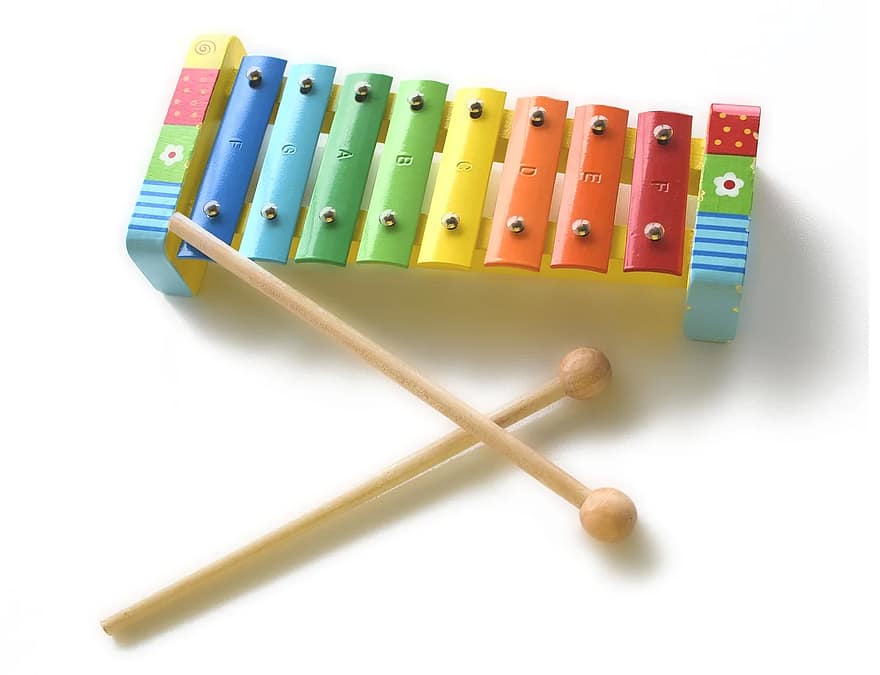
    For the majority of adults, listening to music is a way to pass the time, fight boredom, and for other petty reasons. However, music benefits kids in a lot more ways. Music has a vaooh7riety of advantages for kids, including speeding up language learning and boosting self-esteem.

    The American Association for the Advancement of Science has conducted numerous studies that show music fosters children’s ability to learn new words, improve their motor abilities, and develop their creativity. According to neuroscience, listening to music stimulates the brain’s hearing, language, and motor control centers. Also, beyond the realm of research, our personal experiences with music are powerful enough to persuade us of its positive effects. For example, music cheers us up during our moments of weakness.

    Hence, we decided to write about some developmental advantages of music for kids in this piece. But first, let’s briefly discuss the historical beginnings of music.

    Table Of Contents

    Table Of Contents

    Origin Of Music

    Types Of Music For Children

    Music And Children: Benefits Of Music In Child Development

    Relaxing music improves your child’s mood.

    Children’s analytical abilities are strengthened when they learn to play musical instruments.

    Fosters the link between parents and children

    Improves cognitive development

    Enhances emotional and social intelligence

    Good music makes them joyful

    Some Musical Instruments To Get For Your Kids

    Conclusion

    Frequently Asked Questions (FAQs)

    How does music affect a child’s brain development?

    What are the benefits of music lessons?

    What are the benefits of music therapy for children?

    microphone_boy_scream_singing_child

white, boy, microphone, child, sculpture, art, sketch, drawing, illustration, head, singing, photograph, beauty, scream, sense,

    Photo from Pxhere

    Origin Of Music

    Several theories have been put forth on the origin of music, but I would like to focus on the idealism of musicologist Curt Sachs in this article. Sachs said that music has two origins: speech and emotional expression. He stressed that despite regional differences in music, these two distinct musical genres—expressionistic and communicative—evolved independently. In essence, he was arguing that music may be a means of verbal and nonverbal expression of emotions or pure words.

    Paper Partition Music Notes Sheet Music Melody

    Photo from Maxpixels

    Types Of Music For Children

    There are numerous genres and styles of music in various cultures around the world. But in this article, we will restrict our choices to some kid-friendly tunes you can expose to your children. Some of these tunes are:

    • Sing-Along
    • Lullabies
    • Nursery Rhymes
    • Stories
    • Music, Pop, and Classical
    • Jazz
    • Multicultural music

    Music And Children: Benefits Of Music In Child Development

    Our brief tour of the history of music and some genres to expose your kids to is now complete. Let’s now look at some of the main advantages of music for children’s development:

    Relaxing music improves your child’s mood.

    The first sound that a developing fetus hears is between 16 and 18 weeks into the pregnancy. By the time the child reaches 24 weeks, the hearing sense has developed enough for it to be able to consistently pick up sounds from its surroundings. At this point, the fetus starts to listen to its mother’s voice and words. Listening to or singing peaceful tunes will help to lift your child’s spirits at this point and even till postpartum. 

    Slow, repetitive, and classical songs might help children unwind by slowing their heartbeat. Also, to help children develop a more regular sleep schedule, parents are encouraged to sing lullabies to their children.

    Children’s analytical abilities are strengthened when they learn to play musical instruments.

    Several studies conducted in the past have shown that young children who were exposed to learning musical instruments fared better on arithmetic tests and received higher SAT scores than those who were not. This is because learning musical instruments stimulates a cerebral pathway for reasoning.

    Fosters the link between parents and children

    Children tend to recognize their parents’ voices, especially their mother’s, even before they are born. Hence, teaching your child new songs and singing to them is a wonderful way to strengthen your bond with them. 

    Improves cognitive development

    This is unquestionably the most notable advantage of music for your children. Children are frequently described as quick learners. Your child can be put on the proper developmental path with the appropriate exposure to music at the appropriate time. The extras that come with good music include physical coordination such as jumping, clapping, waving, pointing, slamming, and more. Your youngster can also learn new vocabulary, intonations, pronunciations, and numeracy skills through music. You can as well teach your kids essential ideas through music.

    Enhances emotional and social intelligence

    When directed toward a common objective, teamwork, social, and the majority of emotional abilities become highly developed. Your child can develop their social and emotional abilities by participating in group activities such as singing, listening to music, learning a new song, or playing an instrument. This might foster a sense of unity among them and their peers. It is also a great means to boost their confidence.

    Good music makes them joyful

    Have you ever seen children move spontaneously to music? That is because they enjoy good music as well. Beyond brain growth, music is a terrific approach for your youngster to hone their emotions. Music improves children’s moods in the same way as it does for most adults. It is a fantastic method to make your youngster happy; if your child is always gloomy around the house, play enjoyable music continuously and watch as they move from boredom to excitement.

    Some Musical Instruments To Get For Your Kids

    Choosing the right musical instrument for your kids can be as stressful as shopping for groceries. There are several factors to consider before deciding on which instrument to get for your kids. 

    Some of these factors are the age of the child, your budget, and your child’s musical needs. However, out of numerous options to pick from, we decided to help you by creating a simple list of some instruments to get for your kids across different age levels.

    Some instruments to get for your kids are:

    • Egg Shakers
    • Harmonica
    • Hand Cymbals
    • Xylophone
    • Piano
    • Drums
    • Hand Bells
    • Kalimba
    • Triangle
    • Violin
    • Tambourines
    • Boomwhackers
    • Guitar
    • Hand Percussion

    Conclusion

    Conclusively, your child’s early development will improve by adding music to their norms, routines, and plays. Music can enliven them, provoke thoughts, and stimulate originality. Making and listening to music is an additional way to help your children develop their emotional, literacy, and numeracy skills.

    Frequently Asked Questions (FAQs)

    How does music affect a child’s brain development?

    The American Association for the Advancement of Science has undertaken multiple studies that demonstrate how music assists youngsters in acquiring new words, increasing their creativity level, and improving their motor skills. Also, the hearing, language, and motor control areas of the brain are reportedly stimulated by listening to music.

    What are the benefits of music lessons?

    It has been demonstrated in a number of studies that young children who were exposed to learning musical instruments performed better on arithmetic exams and obtained higher SAT scores than those who were not. This is because learning musical instruments stimulates a brain region involved in reasoning. 

    Here at Bow Lakes Music, we offered affordable music lessons and instrument training sessions. We will be more than happy to feature in your child’s success story.

    What are the benefits of music therapy for children?

    Slow, repetitive, and classical music may aid in children’s relaxation because slow music slows down the heartbeat. In contrast, fast music can help lift their spirits. Finally, parents are advised to sing lullabies to their children to help them establish a more regular sleep cycle.

    Children And Music: The Positive Effects Of Music On Child Development. Read More »
    Scroll to Top